Anti-Static Masterbatch
Stops static build-up, so surfaces stay dust-free and easy to handle.
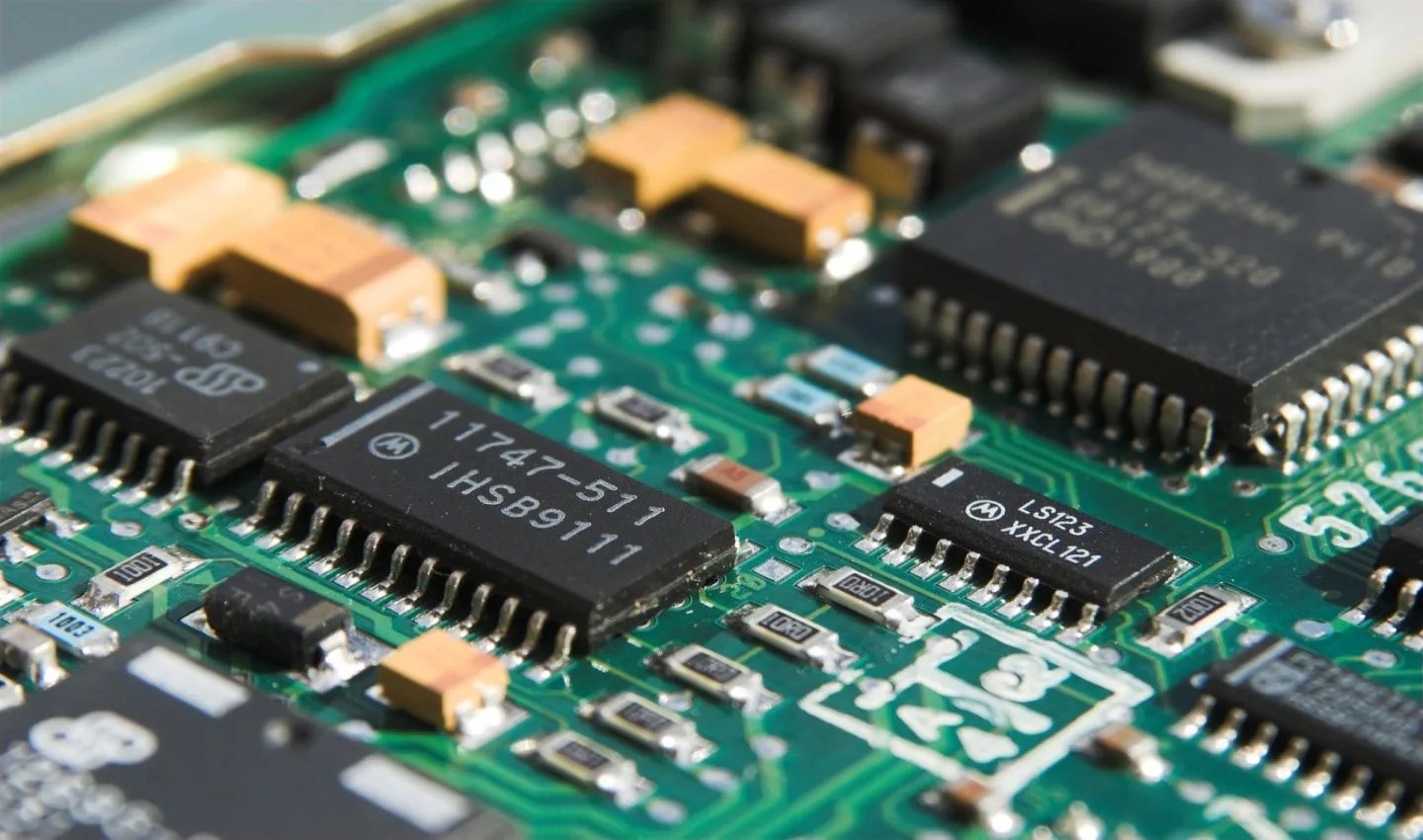
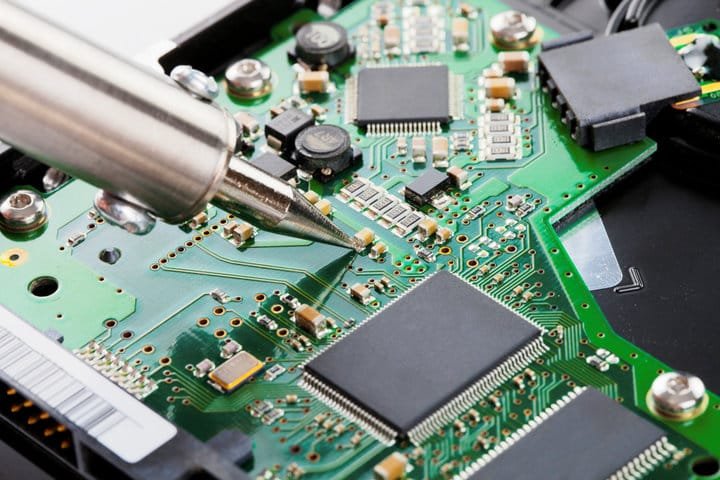
Anti-Static Masterbatch stops plastic from building up static charge that attracts dust or risks sparks. The active migrates to the surface of the finished part and lets the charge bleed away safely. Used in electronics packaging, agricultural film and clean, dust-free containers.
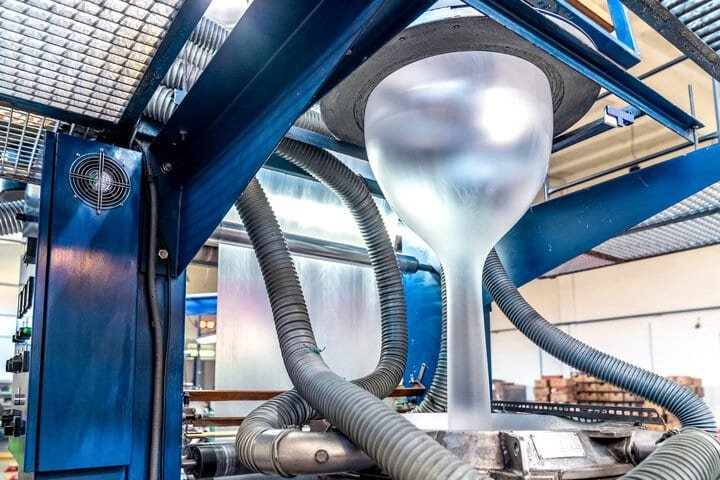
An antistatic additive ready-dispersed in a polyolefin pellet. It slowly moves to the surface of the part, where it draws a fine film of moisture from the air that lets static charge drain away. Used on packaging film, electronics packaging, agricultural film and woven sacks where static causes dust, handling or safety problems.
Specifications
Grade-specific values and Certificate of Analysis are provided on confirmed dispatch. Contact us to confirm the right grade for your application.
- Appearance
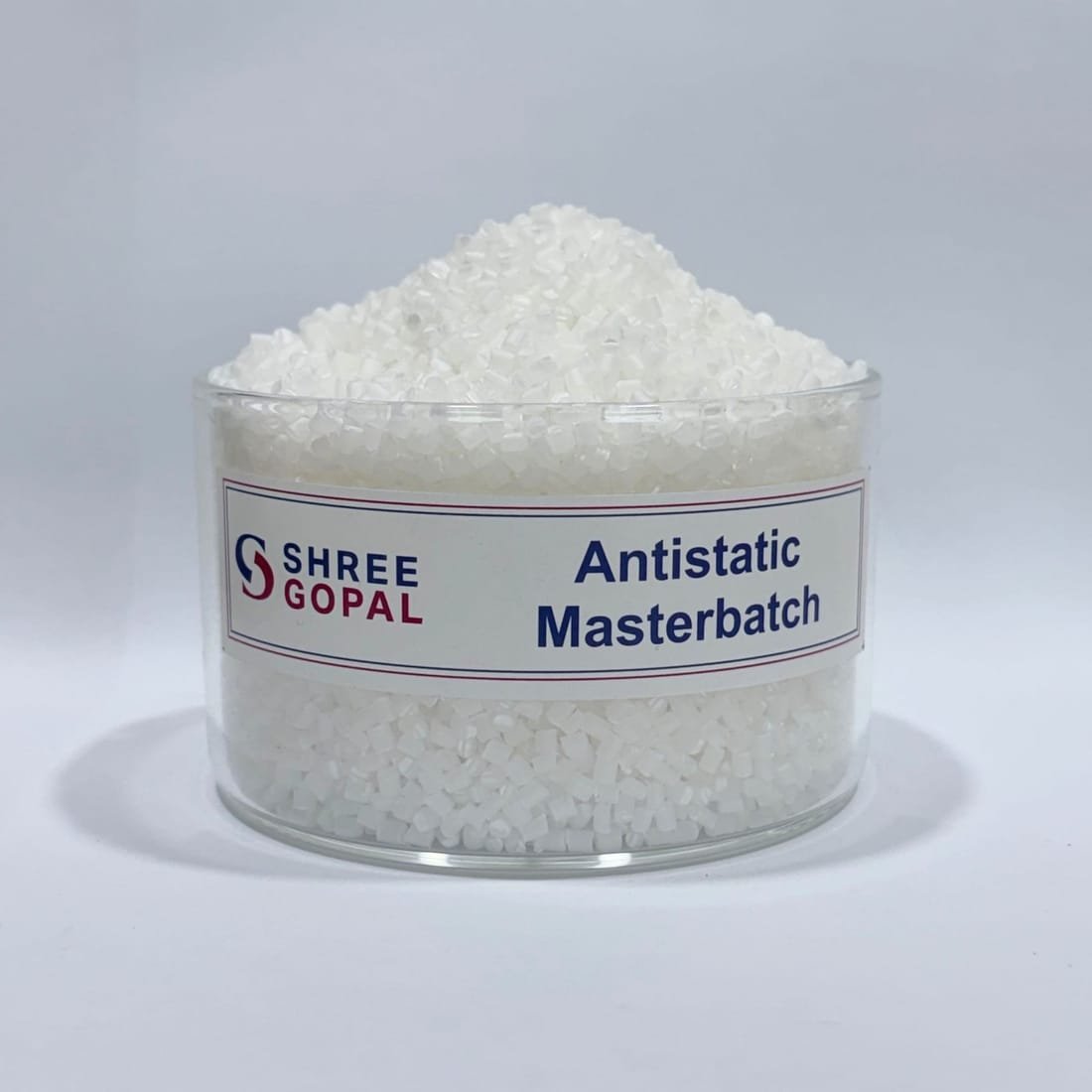
- Off-white cylindrical pellets
- Active chemistry
- Migratory antistatic agent
- Carrier resin
- LDPE / LLDPE / PP
- Polymer compatibility
- PE, PP, EVA
- Recommended loading
- Varies by application; recommended dosage shared per grade
- Function
- Reduces surface resistivity to dissipate static charge
- Packaging
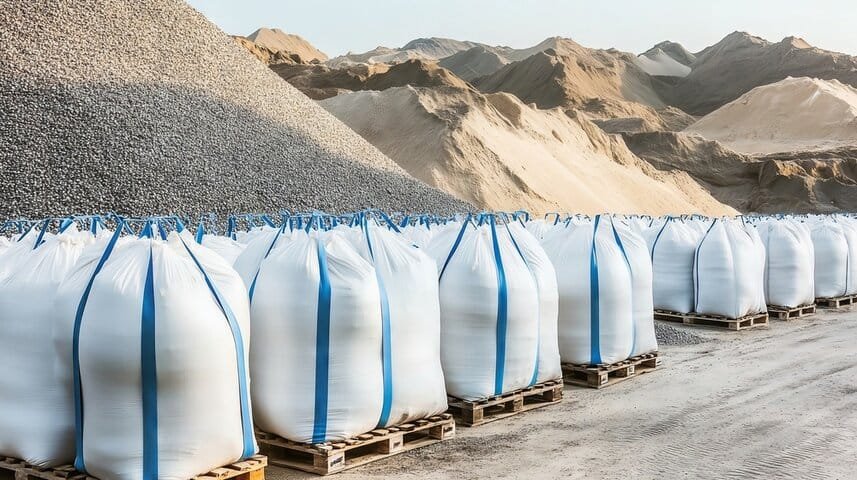
- 25 kg PP bags; jumbo bags on request
Key benefits
Reduces static charge build-up
It lets static charge drain away safely, protecting sensitive electronic contents.
Prevents dust attraction
Keeps surfaces clean on agri film, woven sacks and moulded containers.
Better film unwinding & handling
Film does not cling or jam on bag-making, packing and moulding lines.
Compatible with PE, PP and EVA
The carrier is matched to your resin and runs cleanly on standard lines.
Applications



Frequently asked questions
What is Anti-Static Masterbatch used for?
It reduces static build-up on plastic, so parts attract less dust and are safer to handle. Typical uses include film, bags, electronic packaging and moulded parts.
Which polymers does it work with?
Standard grades are compatible with polyethylene and polypropylene, and also disperse well in EVA. We match the carrier resin to your base resin so it disperses cleanly during processing.
Can I get a trial sample?
Yes. Share your base resin, end application and your end use and required performance, and we will ship a matched grade for line evaluation along with a Certificate of Analysis.
Does the anti-static effect last?
The additive slowly migrates to the surface to keep working over the life of the part. It performs better in humid conditions; for very dry environments we can advise a suitable grade.
What is the typical lead time?
Standard grades ship in 7 to 14 working days from order confirmation. Custom formulations matched to a specific application take 3 to 4 weeks. We confirm an exact timeline at the quote stage.