Talc Filler Masterbatch
Adds stiffness and heat resistance to PP and PE while lowering cost.
Talc Filler Masterbatch adds stiffness and heat tolerance to plastic parts. Talc is a mineral that comes in flat, plate-like particles. When dispersed into a plastic, those platelets line up with the flow of the melt and act like internal reinforcement. The finished part is stiffer, holds its shape better under heat, and stays dimensionally stable as it cools.
It is the filler of choice for polypropylene applications where the part needs to feel rigid and survive warm operating environments, such as automotive components, appliance housings and rigid packaging.
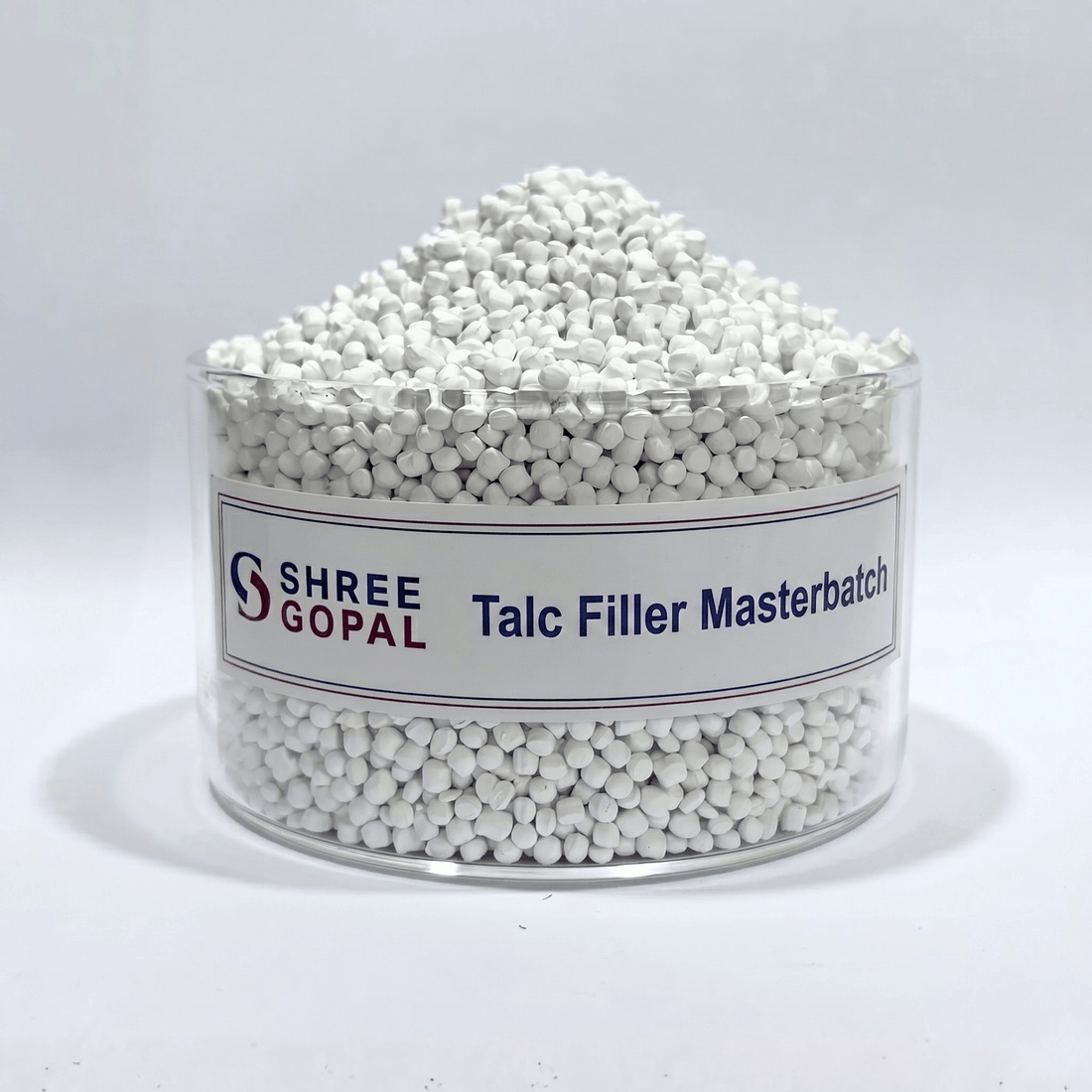
Specifications
Per-grade specifications and Certificate of Analysis are provided on confirmed dispatch. Contact us to confirm the right grade for your application.
- Appearance
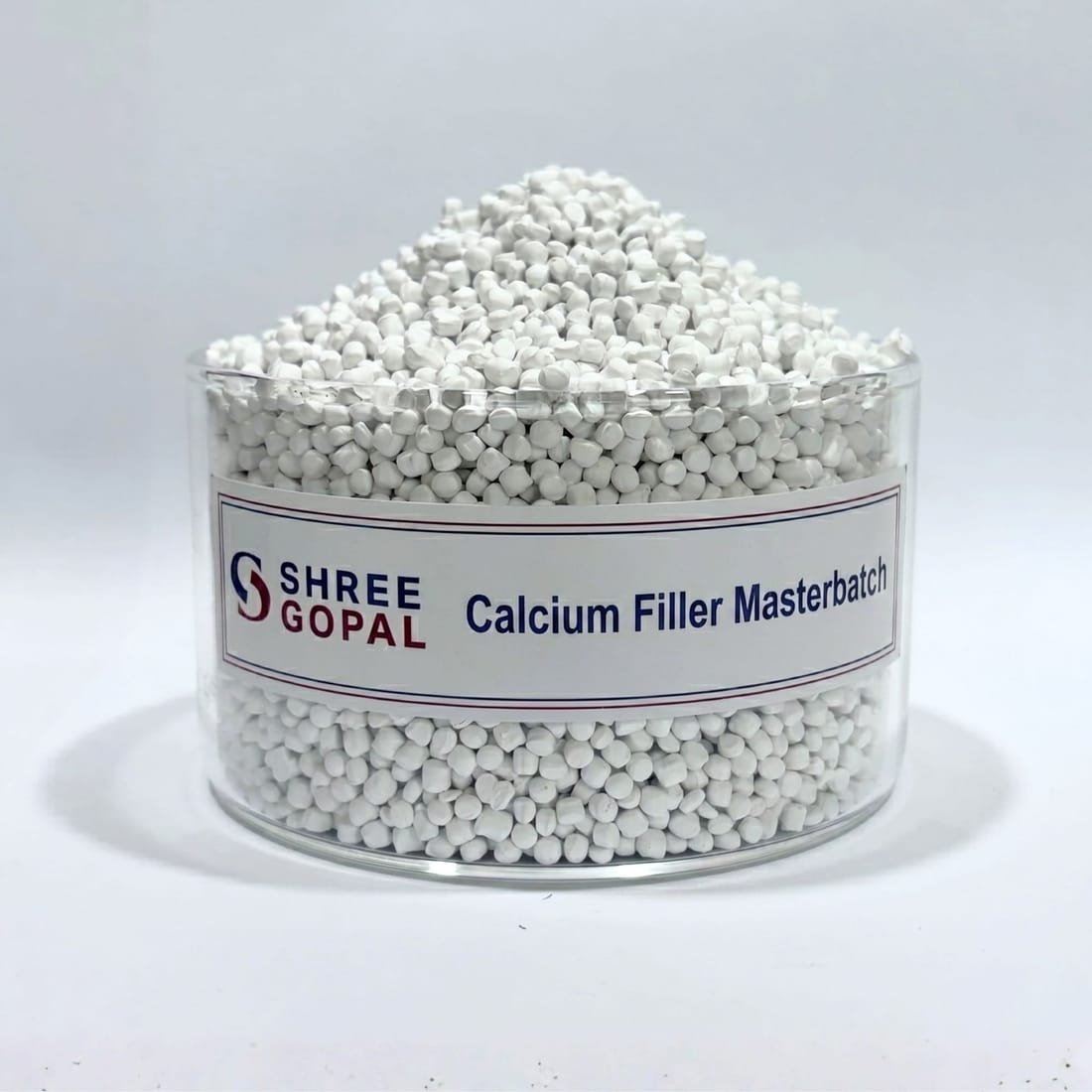
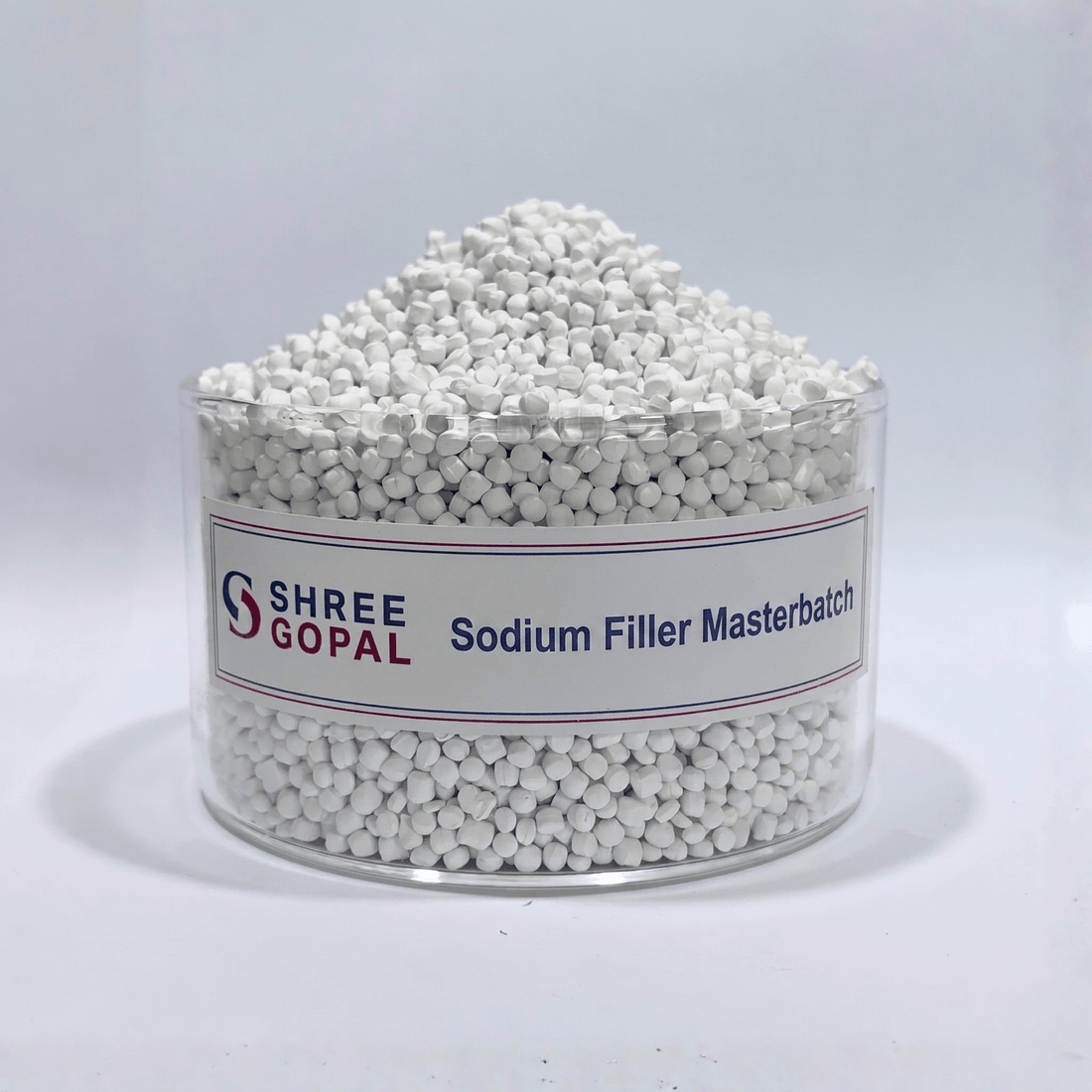
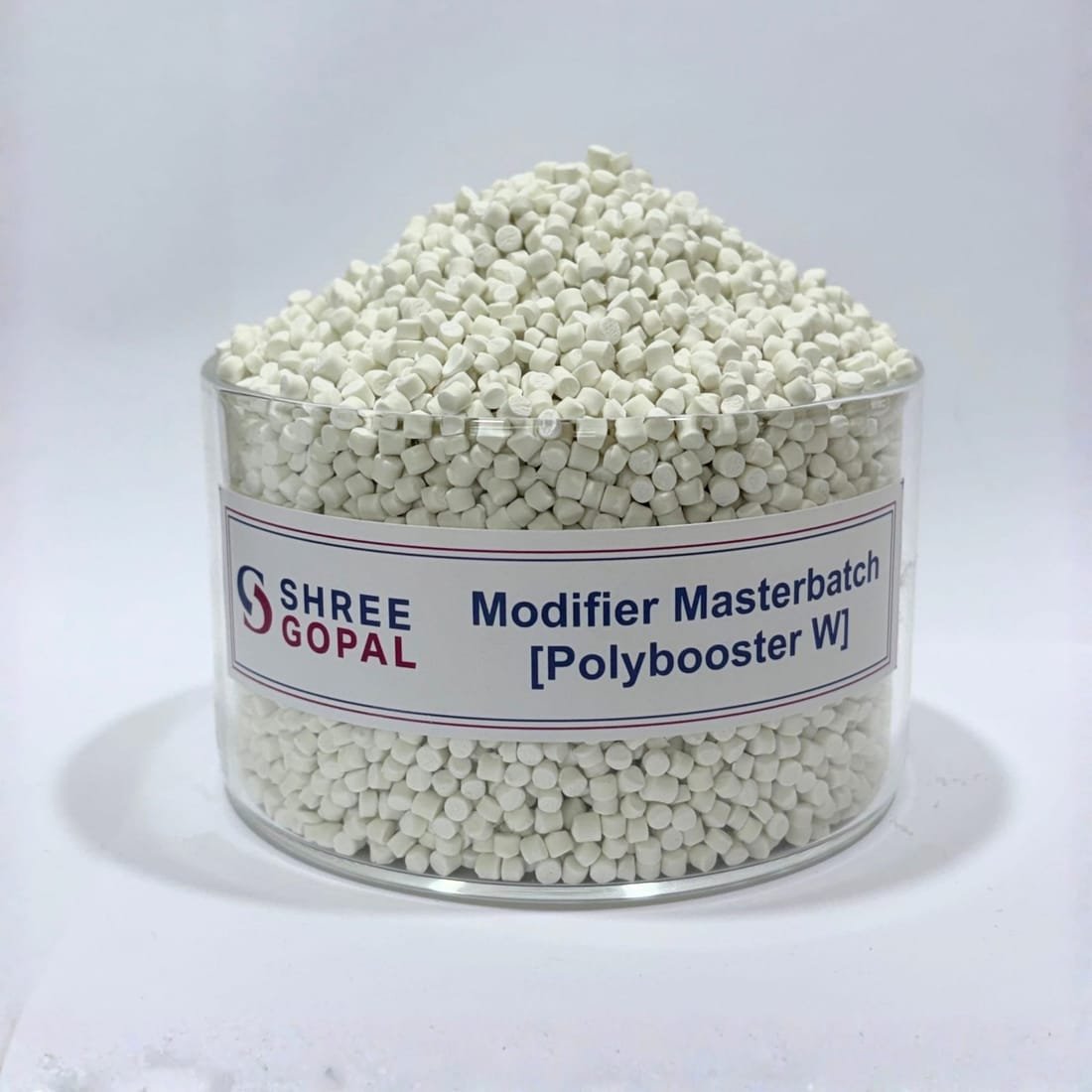
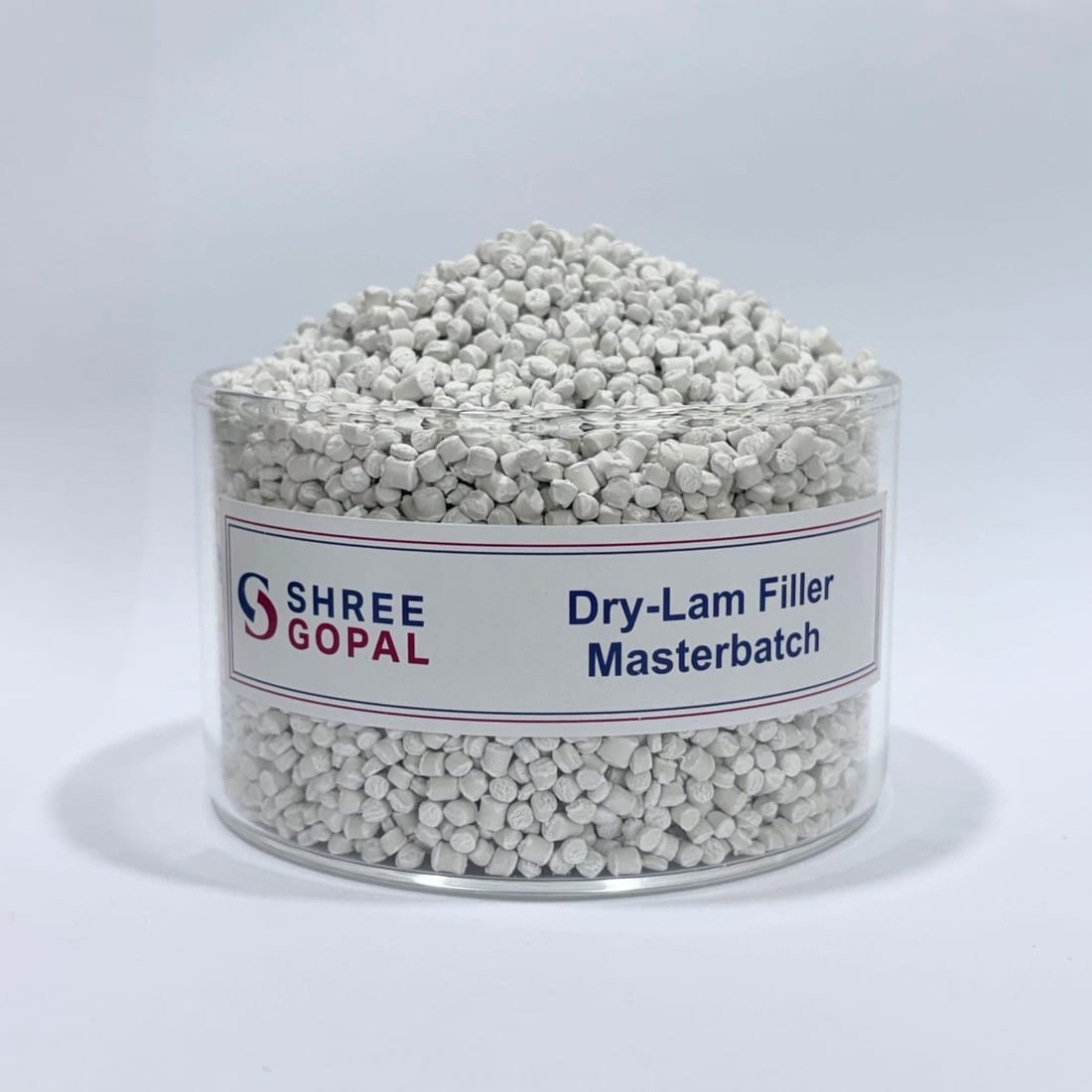
- White cylindrical pellets
- Active chemistry
- Talc (hydrated magnesium silicate)
- Carrier resin
- PP / PE
- Recommended loading
- Varies by application; recommended dosage shared per grade
- Packaging
- 25 kg PP bags
Key benefits
Adds stiffness & rigidity
The flat talc platelets reinforce the plastic, making finished parts noticeably stiffer.
Improves dimensional stability
Reduces shrinkage and warping, so moulded parts keep their shape and size as they cool.
Heat-resistant in PP compounds
Raises the temperature the part can handle, so it suits warm operating conditions.
Cost-effective filler vs neat resin
Replaces part of the plastic with mineral filler, lowering cost without giving up performance.
Applications



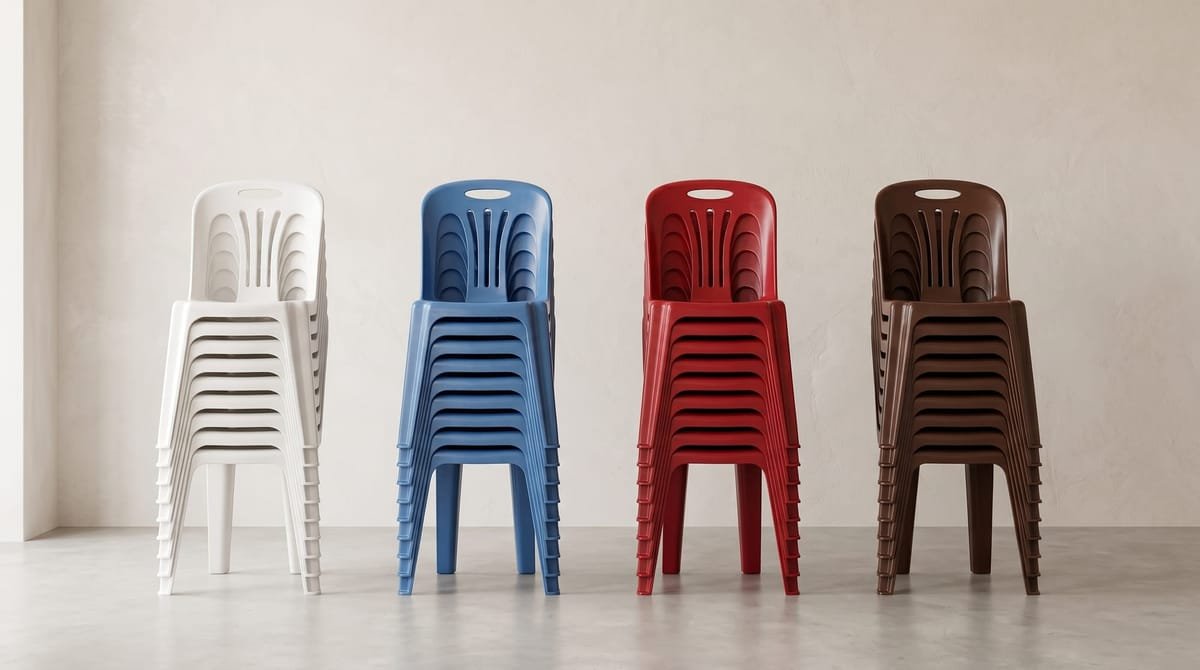
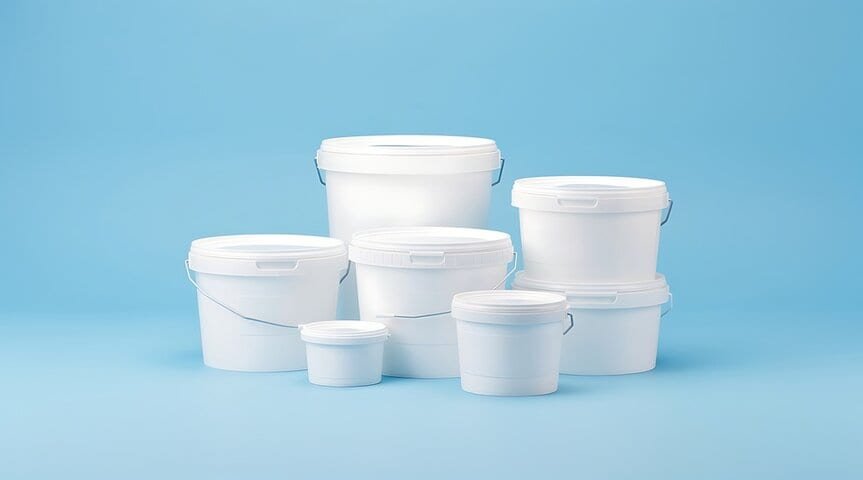
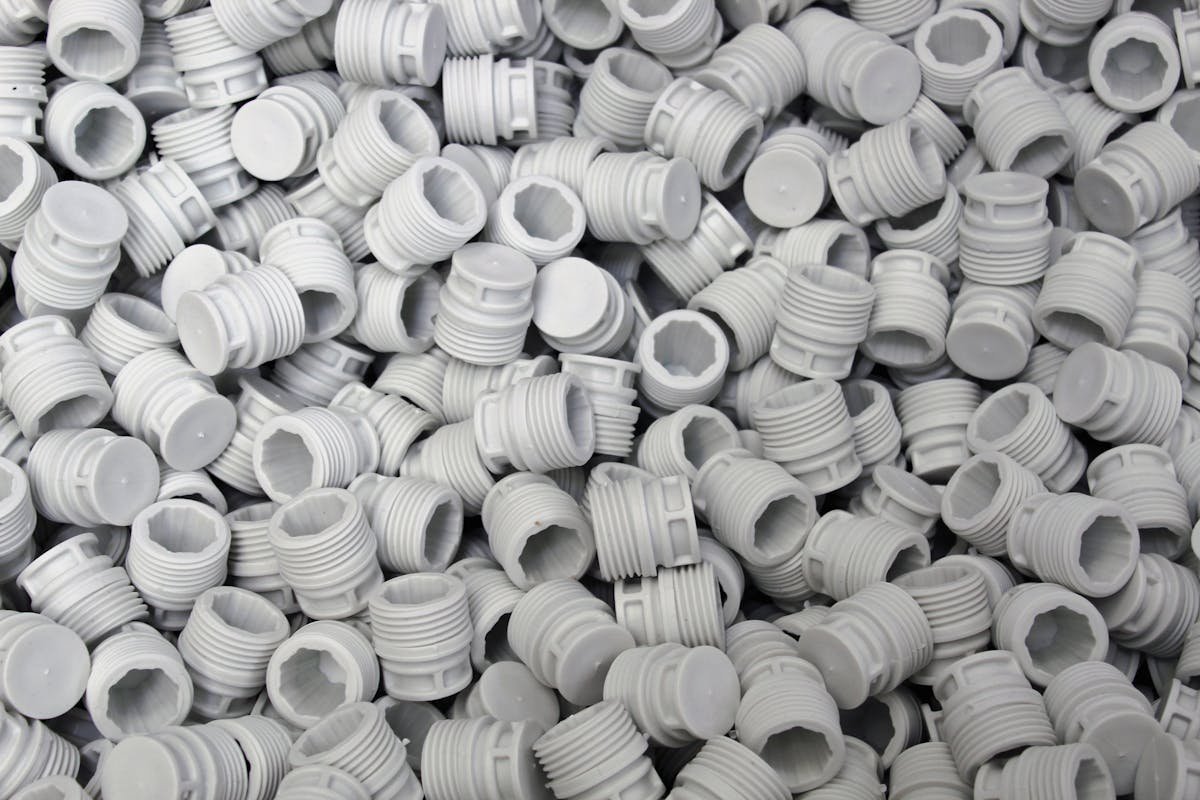
Frequently asked questions
What is Talc Filler Masterbatch used for?
It adds talc to plastic to increase stiffness and heat resistance while cutting cost. Typical uses include automotive parts, appliances, sheet and moulded polypropylene products.
Which polymers does it work with?
It is used mainly in polypropylene. We match the carrier resin to your base resin so it disperses cleanly during processing.
Can I get a trial sample?
Yes. Share your base resin, end application and your part and the stiffness you need, and we will ship a matched grade for line evaluation along with a Certificate of Analysis.
How is it different from calcium filler?
Talc gives more stiffness and better heat resistance, so it suits performance parts, while calcium filler is the simpler choice for cutting cost.
What is the typical lead time?
Standard grades ship in 7 to 14 working days from order confirmation. Custom formulations matched to a specific application take 3 to 4 weeks. We confirm an exact timeline at the quote stage.